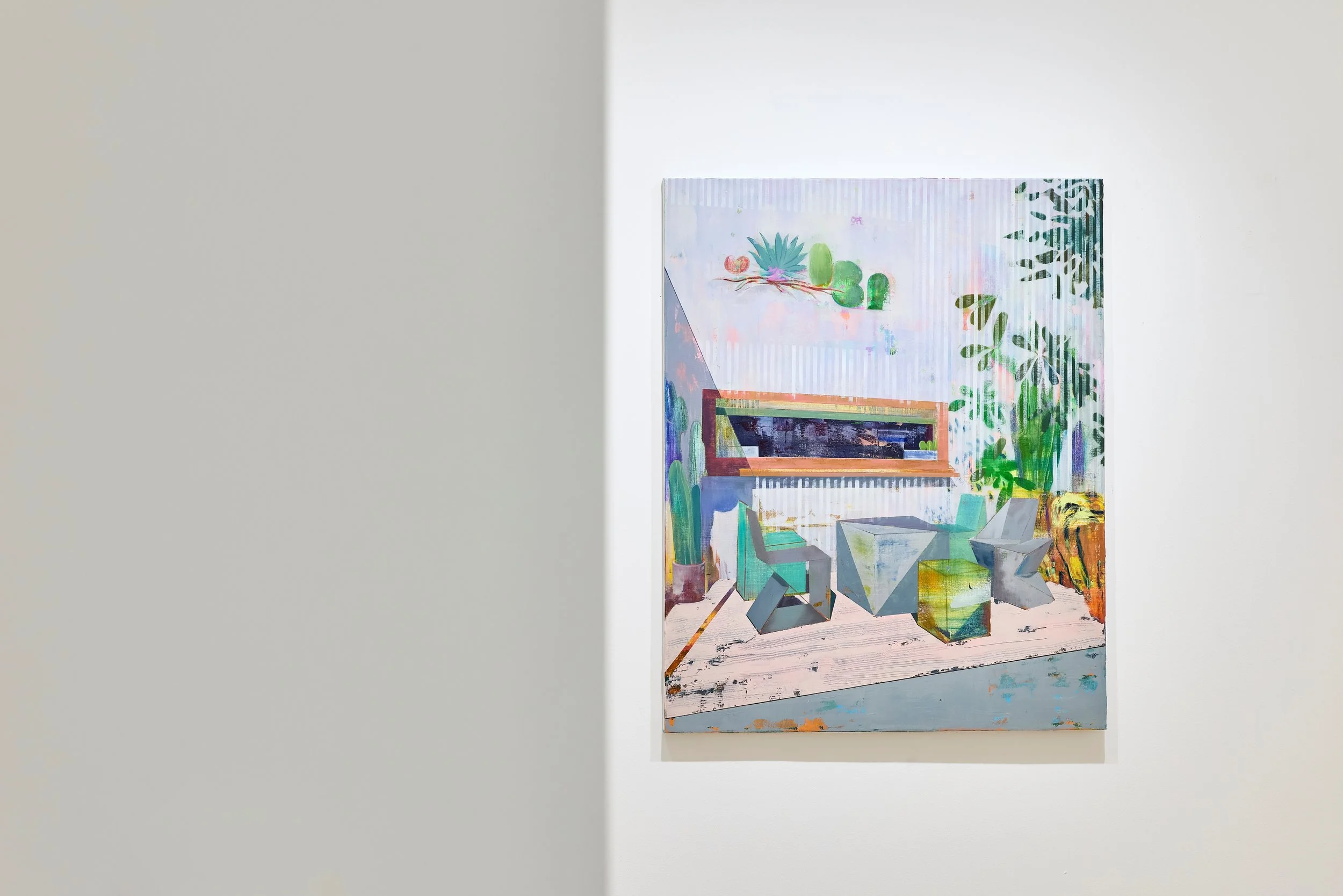
Wedhar Riyadi, Hong Sejin Duo Exhibition
웨다르 리야디, 홍세진의 ‘Found in Translation’
세계는 감각되는 순간부터 이미 하나의 해석이 된다. 인간은 보고, 듣고, 만지고, 기억하는 과정을 통해 외부 세계를 인식하지만, 이러한 감각은 현실을 있는 그대로 받아들이는 투명한 매개라기보다 각자의 신체적 조건과 경험을 통과하며 세계를 재구성하는 과정에 가깝다. 따라서 우리가 현실이라 부르는 것은 객관적으로 주어진 하나의 모습이라기보다, 감각과 경험을 통해 끊임없이 해석되고 구성되는 세계라 할 수 있다.

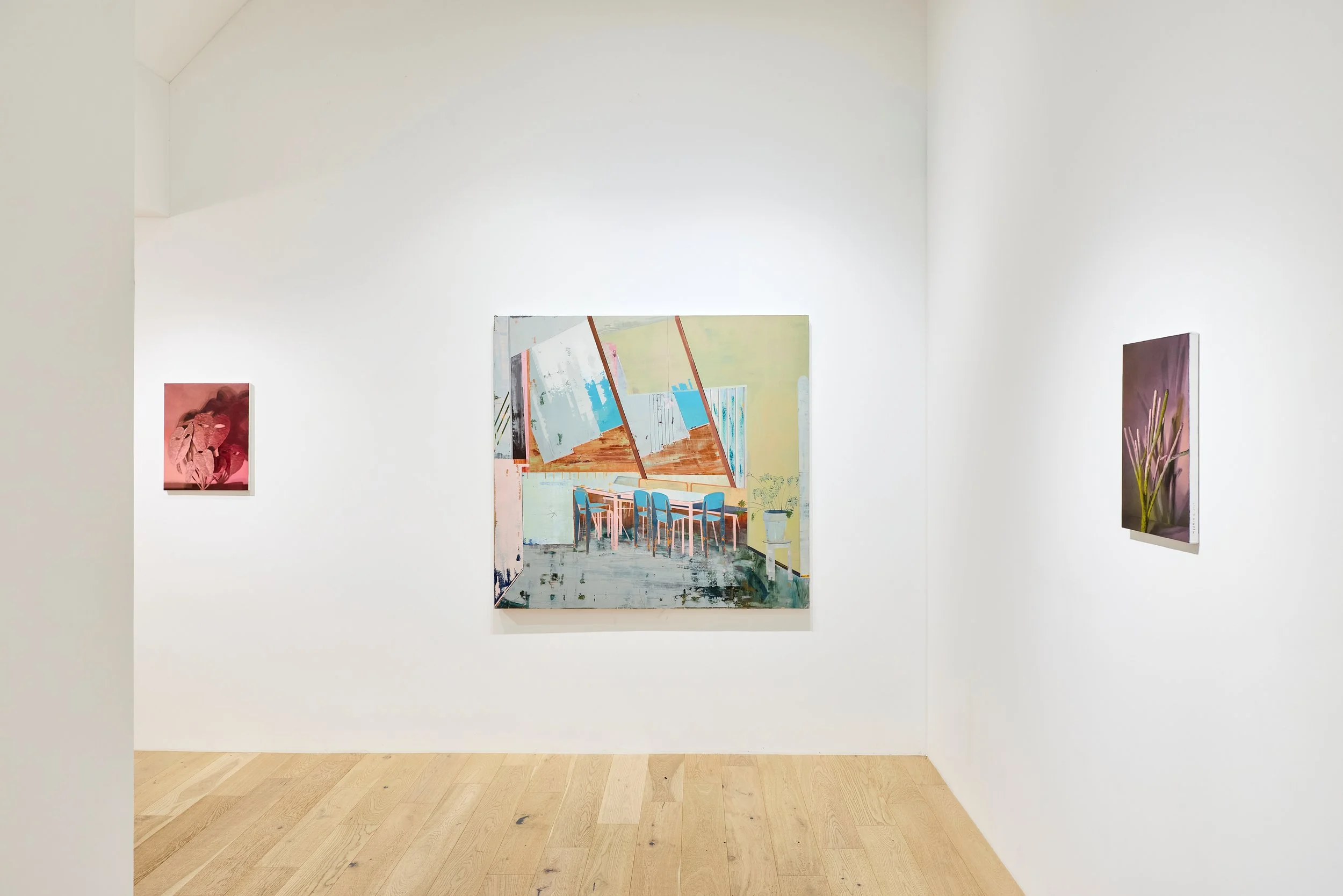
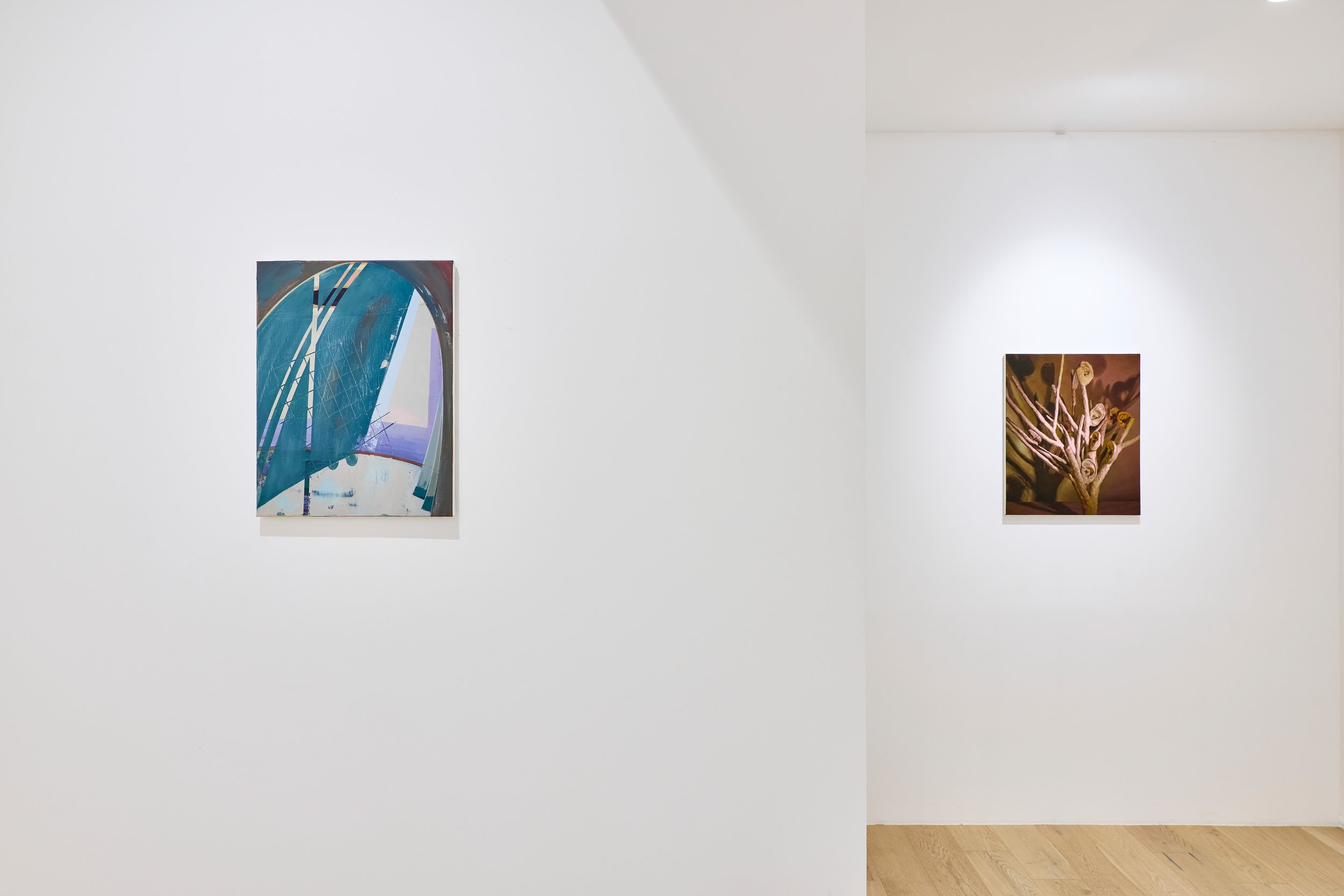
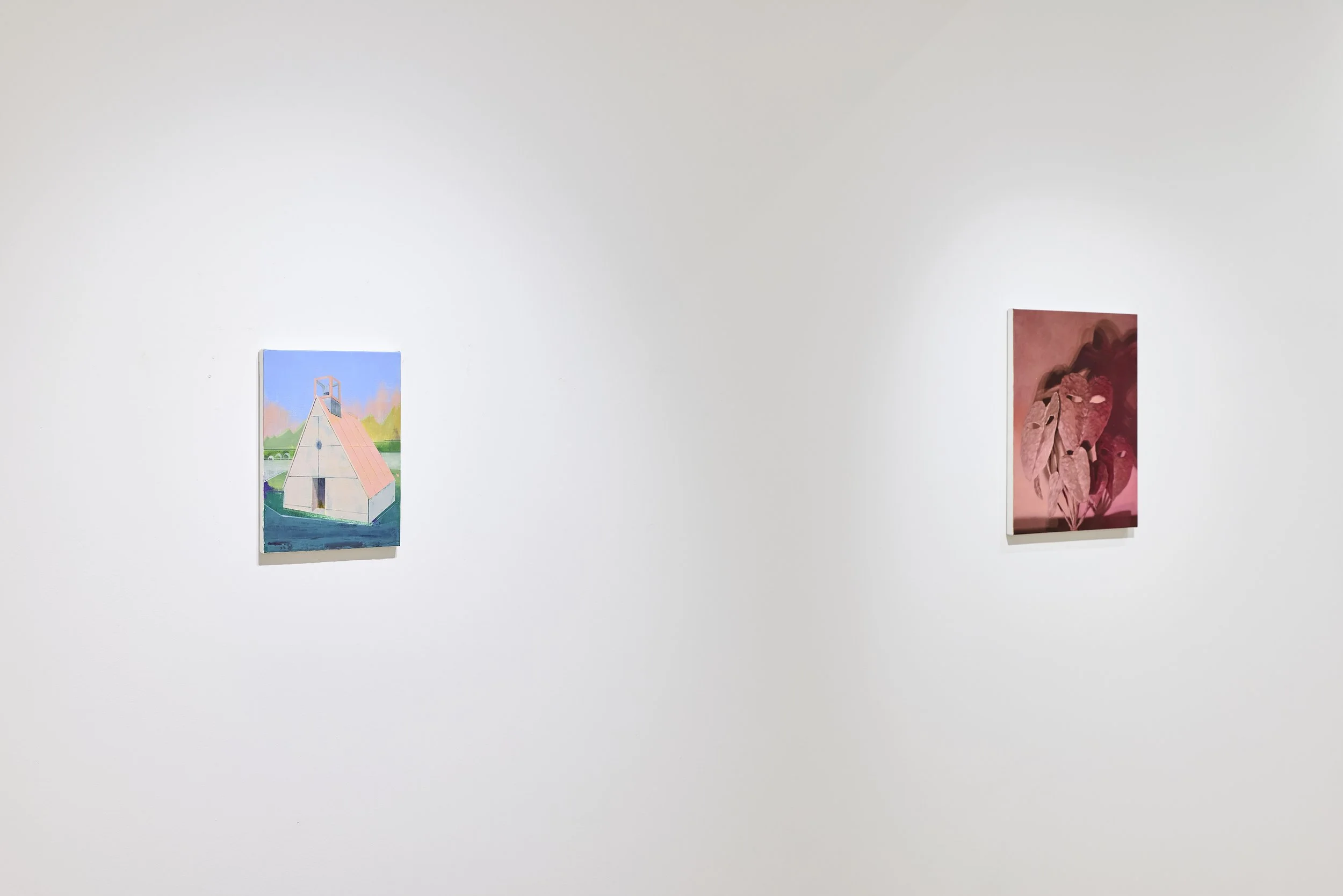
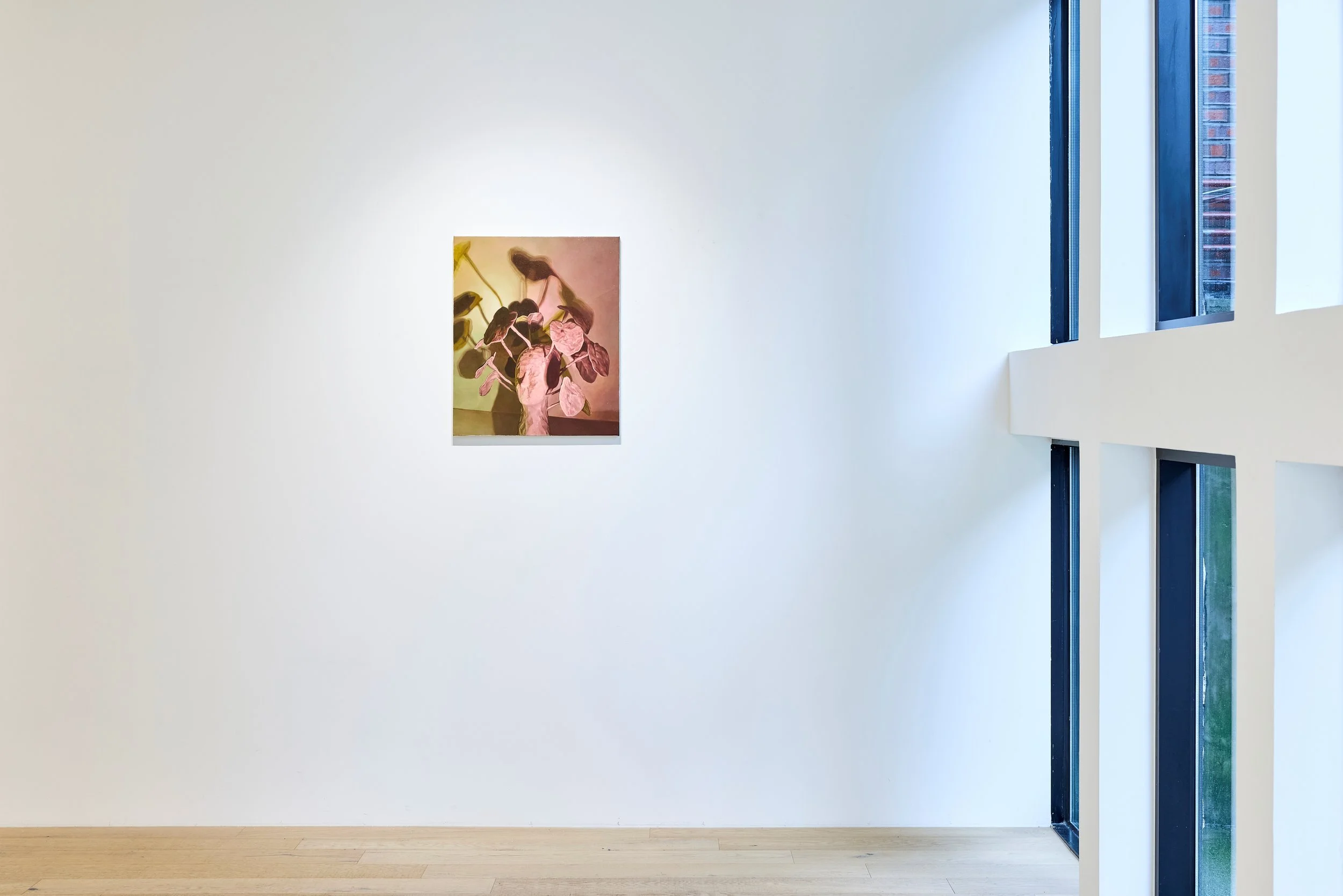
디 언타이틀드 보이드는 웨다르 리야디와 홍세진의 ‘Found in Translation’을 통해 이러한 감각과 현실의 관계를 살펴본다. 두 작가의 작업에는 현실이 이미지로 옮겨지는 일종의 ‘번역’의 과정이 존재한다. 웨다르가 손으로 빚은 물질을 촬영하고 디지털 과정을 거쳐 새로운 이미지로 전환한다면, 홍세진은 자신이 감각한 현실의 이미지들을 분해하고 중첩하며 새로운 시각적 질서로 재구성한다.

웨다르의 작업은 ‘만지는 것’에서 시작된다. 손으로 직접 빚은 점토에 남은 지문과 얼룩, 마모의 흔적은 신체와 물질이 접촉한 시간을 기록하며 인간의 존재와 시간성을 드러낸다. 특히 생명의 기원이자 다시 돌아갈 곳으로서의 흙은 존재의 유한성과 소멸을 환기한다. 이러한 오브제들은 촬영과 디지털 조작, 인공적인 빛을 거치며 현실의 사물에서 극적으로 연출된 이미지로 변화한다. 그의 작업은 정물화의 전통을 이어가는 동시에, 물질과 이미지 사이의 경계를 새롭게 탐색한다.

홍세진은 청각과 시각이 교차하는 개인적인 경험을 통해 세계를 바라본다. 어린 시절부터 보청기와 인공와우를 사용해온 작가에게 세계를 감각하는 일은 외부의 정보를 자신만의 방식으로 해석하고 조정하는 과정이었다. 그는 일상에서 촬영한 이미지들을 해체하고 중첩하여 건축물과 자연물, 추상적 형태가 뒤섞인 낯선 풍경을 만든다. 서로 다른 장소와 시간에서 수집된 현실의 파편들은 화면 안에서 새로운 관계를 맺으며, 익숙하면서도 특정한 장소로 환원되지 않는 또 하나의 세계를 형성한다.

웨다르에게 촉각과 물질이 이미지의 출발점이라면, 홍세진에게는 청각을 포함한 복합적인 감각 경험이 이미지의 구조를 만든다. 서로 다른 감각에서 출발한 두 작가의 작업은 현실을 그대로 재현하기보다, 현실이 어떻게 감각되고 기억되며 다시 구성되는지를 보여준다. 이들이 만들어낸 낯선 풍경 사이에서 전시는 우리가 보고 있는 것이 세계 그 자체인지, 혹은 각자의 신체와 감각, 경험을 통해 번역된 하나의 세계인지 질문한다.
Found in Translation
The world becomes an interpretation from the very moment it is perceived. We encounter the external world through seeing, hearing, touching, and remembering, yet perception is never a transparent medium through which reality is received exactly as it is. Rather, it is a process through which the world is continuously reconstructed by way of our individual bodies, sensory conditions, and lived experiences. What we call reality, then, is perhaps less a single objective form than a world perpetually interpreted and reconstituted through perception and experience.
Through ‘Found in Translation’, featuring works by Wedhar Riyadi and Sejin Hong, The Untitled Void explores this relationship between perception and reality. At the heart of both artists’ practices lies a process of “translation,” in which reality is transformed into image. While Wedharr photographs objects shaped by hand and subjects them to digital processes to create new images, Hong fragments, layers, and reorganizes images drawn from the reality she perceives, constructing a new visual order.
Wedhar’s practice begins with the act of touch. Fingerprints, stains, abrasions, and traces of wear left on hand-molded clay register the duration of contact between body and material, revealing both human presence and the passage of time. Clay, as a material associated with both the origin of life and that to which the body ultimately returns, further evokes the finitude and transience of existence. These objects are then photographed and transformed through digital manipulation and artificial lighting, shifting from material things into dramatically staged images. In this way, his work draws upon the tradition of still life while simultaneously exploring the boundary between physical matter and its image.
Sejin Hong approaches the world through a deeply personal experience in which hearing and vision intersect. Having used hearing aids and cochlear implants since childhood, perceiving the world has involved an ongoing process of interpreting and adjusting external information through her own sensory framework. She dismantles and layers photographs taken in everyday life, creating unfamiliar landscapes in which architecture, natural forms, and abstract elements coexist. Fragments of reality gathered across different times and places enter into new relationships within the image, forming another world that feels at once familiar and yet cannot be reduced to any specific location.
If touch and materiality serve as the point of departure for Wedhar’s images, Hong’s images emerge from a more complex sensory experience in which hearing and vision intersect. Beginning from different modes of perception, both artists move beyond the direct representation of reality to reveal how reality is sensed, remembered, and reconstructed. Within the unfamiliar landscapes they create, ‘Found in Translation’ asks whether what we see is the world itself, or merely one version of the world translated through our bodies, senses, and experiences.
전시 : 2026.09.09 - 2026.10.17장소 : The Untitled Void시간 : 10:00am - 06:00pm휴관 : 매주 일, 월